Georgia Dog Bite & Animal Attack Claims: A Victim’s Guide (2025)
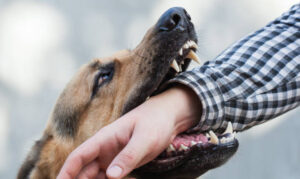
1An animal attack is a sudden, violent, and deeply personal event. In an instant, a seemingly friendly neighborhood dog can cause devastating injuries, leaving not just physical scars but deep emotional trauma that can last a lifetime. The victims are often children, who are most vulnerable to severe facial and neck injuries. According to the American Veterinary Medical Association (AVMA), more than 4.5 million people are bitten by dogs each year in the United States, and children are the most common victims.
At Geiger Legal Group, we understand that this is more than “just a bite.” It’s a traumatic experience that shatters your sense of safety. After an attack, victims and their families are left with pain, fear, and a confusing array of questions: Who is responsible? Who pays for the mounting medical bills? What are my rights?
The answers in Georgia are complex. Unlike many states with straightforward “strict liability” laws, Georgia has a unique and often misunderstood set of rules that can make it challenging for victims to recover the compensation they deserve.
This comprehensive guide was created to provide clarity and empower you. We will walk you through Georgia’s specific dog bite laws, explain what you must prove to win your case, and outline the exact steps you need to take to protect your rights and your family’s future.
Understanding the Georgia Dog Bite Law: A Deep Dive
Georgia law regarding dog bites is often called a “modified one-bite rule.” This means that, in most situations, a dog owner is only liable for injuries if they had reason to know their dog was dangerous before the attack occurred. However, Georgia’s dog bite statute has largely made the ‘one bite rule’ obsolete, meaning owners can be held strictly liable even if their dog has never bitten before. Under Georgia statute, a dog may be classified as a dangerous or vicious dog based on its behavior and prior incidents, such as previous attacks or aggressive actions. When a dog is legally dog classified as dangerous or vicious, the classification is determined by specific legal criteria, including the severity of the dog’s behavior and any history of causing injury. The dog’s behavior is a key factor in determining liability in these cases. This is a significant hurdle that sets Georgia apart from many other states.
The law, found in Georgia Code § 51-2-7, lays out two primary ways to hold an owner responsible (the Georgia statute imposes strict requirements on a georgia dog owner whose dog is classified as dangerous or vicious):
- Vicious Propensity: You can prove the owner knew (or should have known) that their dog had a “vicious or dangerous propensity” to cause harm. Evidence of a dog’s past behavior, such as prior attacks or aggressive behavior, can lead to the dog being classified as a dangerous dog or even a vicious dog under Georgia law. In severe cases where a dangerous or vicious dog causes serious injury, the legal consequences for the owner may include having the dog euthanized to prevent further harm.
- Negligence: You can prove the owner was careless or negligent in controlling the dog, typically by violating a local ordinance like a leash law.
When considering evidence of dangerous propensities, the dog’s behavior – such as previous aggression or attacks – plays a crucial role in determining both the classification of the dog and the owner’s liability. Proving that the owner knew or should have known about the dog’s dangerous tendencies is essential for establishing responsibility.
Let’s break down exactly what these mean.
Introduction to Dog Bite Laws
Dog bite laws in Georgia are designed to protect the public from the dangers of dog attacks and to ensure that dog owners are held accountable for injuries caused by their pets. With approximately 4.5 million dog bites occurring each year in the United States, and nearly 20 percent of those victims requiring medical care, the risk is real for both adults and children. In Georgia, dog owners can be held liable for injuries caused by their dogs, whether the incident happens on public or private property. If a dog bite occurs on the dog owner’s property, liability may depend on whether the victim had permission to be there or was trespassing, as trespassing can impact the dog owner’s legal responsibility and the victim’s ability to recover damages. Victims of dog bite cases may be entitled to recover compensation for medical expenses, lost wages, and other damages resulting from injuries caused by a dog attack. Proper documentation of the victim’s injuries is essential for supporting legal claims and obtaining fair compensation. Understanding Georgia’s dog bite laws is crucial for both dog owners and victims, as it helps clarify responsibilities, rights, the dog owner’s legal responsibilities and protections, and the steps needed to pursue a claim after a dog bite or dog attack.
The One Bite Rule: Myth and Reality in Georgia
Many people believe that Georgia follows the “one bite rule,” which would allow a dog one “free” bite before the owner can be held liable. However, this is a misconception. Georgia dog bite laws do not give dog owners a pass for the first bite. Instead, Georgia’s statute allows victims to hold a dog owner responsible for injuries caused by their dog, even if the dog has never bitten anyone before. The law focuses on whether the dog owner’s knowledge or negligence contributed to the incident. Specifically, the law looks for evidence of the dog’s dangerous tendencies, such as past aggressive behavior or previous incidents, to determine liability. This means that, in many cases, a dog owner can be held liable for the very first bite, and victims can pursue claims against the dog owner or the dog owner’s insurance company for fair compensation. Understanding the true nature of Georgia’s dog bite laws is essential for both dog owners and dog bite victims to protect their rights and avoid liability.
Path 1: Proving “Vicious or Dangerous Propensity”
This is the classic “one-bite rule” concept. The law presumes that an owner might not know their dog is dangerous until it demonstrates that behavior for the first time. To hold an owner liable under this path, you and your attorney must prove two things:
- The dog had a tendency to be dangerous (it had a “vicious propensity”).
- The owner was aware of this tendency.
What is a “vicious propensity?” It doesn’t mean the dog has to be a specific breed or look intimidating. It’s about a demonstrated history of aggressive behavior. A dog’s past behavior, including previous aggressive incidents, is critical in establishing liability, but owner’s negligence can also play a role even if there is no prior history. Evidence of a dog’s past behavior is often key in showing whether the owner should have known about the risk. Evidence that can be used to prove this includes:
- A Prior Bite: The clearest evidence is that the dog has bitten someone before, even if it was a minor nip that didn’t break the skin.
- Attempted Attacks: Evidence that the dog has lunged at, charged, or chased people in a menacing way. Documenting the attacking dog’s actions and noting how the dog posed before the attack can be important evidence.
- Aggressive Behavior: Testimony from neighbors or mail carriers about the dog’s behavior, such as frequently growling, snarling, or baring its teeth at people, can help establish a pattern of aggression.
- Use as a “Guard Dog”: If the owner primarily kept the dog for guarding property, this can be used as evidence that they knew it had aggressive potential.
- Fighting with Other Animals: While less direct, a history of an attacking dog going after other dogs or animals can sometimes be used to help establish a pattern of dangerousness.
Proving the owner knew about this behavior is the next step. This can be done through witness testimony, previous complaints made to animal control, or even the owner’s own statements after the attack (e.g., “I’m so sorry, he’s always been aggressive around strangers”). The dog’s owner is responsible for being aware of their dog’s tendencies and taking appropriate steps to prevent future attacks.
The Key to Many Cases: Proving Owner Negligence
Because proving what an owner knew can be difficult, Georgia law provides a second, often more effective, path to establishing dog bite liability. This path focuses on the owner’s careless actions, or lack thereof.
You can hold an owner liable if you prove they were negligent in managing their dog and that this negligence caused your injury. The most powerful way to prove negligence in Georgia is to show the owner violated a local animal control ordinance. Complying with local laws, such as leash and containment regulations, is crucial for dog owners to avoid being held liable for injuries caused by their pets.
If an owner is found negligent, victims may pursue personal injury claims to recover damages. A dog owner liable for violating local laws can face significant legal and financial consequences.
The Power of Local Leash Laws
There is no statewide Georgia leash law, but virtually every county and city – including Canton, Woodstock, Dalton, and the metro Atlanta area – has its own set of ordinances. These laws typically require dogs to be on a leash and under their owner’s direct control whenever they are off the owner’s property. Allowing a dog to roam off leash increases the risk of attacks and legal liability for the owner.
When a dog bites someone while running loose in violation of a local leash law, it is considered negligence per se. This is a powerful legal concept meaning the act is considered negligent simply because it violated the law. If an owner’s dog was off-leash in a public park and bit your child, their violation of the local ordinance is the key piece of evidence needed to prove your case.
Other examples of owner negligence include:
- Failure to Secure the Dog: An owner knows their dog is aggressive and fails to repair a broken fence or gate, allowing the dog to escape and attack a passerby.
- “Invisible Fence” Failures: Relying on an electronic fence that the owner knows the dog sometimes ignores or runs through.
- Allowing a Child to “Walk” a Large, Strong Dog: An owner can be found negligent if they entrust a dog they know is powerful to someone who cannot possibly control it.
Following leash laws is a key way to prevent dog bites and protect public safety.
An experienced animal attack lawyer will immediately investigate the specific animal control ordinances in the city and county where the attack occurred to determine if a violation can be used to build your case.
Where Does the Money Come From? The Role of Homeowner’s Insurance
One of the biggest concerns for dog bite victims is the financial aspect of a lawsuit, especially if the dog’s owner is a neighbor, friend, or family member. Many victims hesitate to take action because they don’t want to bankrupt the dog owner.
This is a critical misunderstanding. If a settlement cannot be reached, the dog bite case will proceed to trial where both sides will present their evidence and arguments. The trial process allows victims to seek fair compensation by presenting their case before a judge or jury, ensuring that all aspects of the incident and its impact are considered.
In the vast majority of cases, compensation for a dog bite is paid by the dog owner’s homeowner’s insurance or renter’s insurance policy. These policies almost always include liability coverage for injuries that occur on the property or are caused by the policyholder’s negligence (or their pets).
When we file a homeowner’s insurance dog bite claim, we are not seeking money from the individual’s personal savings. We are making a claim against their insurance policy, which is specifically designed and paid for to cover these exact types of incidents. The minimum liability coverage in Georgia for homeowners’ policies typically starts at $25,000. It is important to work with the dog owner’s insurance company to negotiate and secure the compensation you deserve for your injuries. You can pursue the compensation you need for your medical bills and trauma without causing personal financial ruin to the dog’s owner.
If you have been bitten, consulting a law firm experienced in dog bite claims can help you navigate the insurance process and protect your rights.
A Step-by-Step Guide: What to Do After a Dog Bite in Georgia
The moments after an animal attack are chaotic and painful. What you do next can have a significant impact on both your health and your ability to bring a successful claim.
Step 1: Seek Immediate Medical Attention. Your health is the top priority. Dog bites can cause deep puncture wounds, severe tearing of tissue, and carry a high risk of dangerous infections like rabies, cellulitis, or sepsis. Go to an emergency room or urgent care clinic immediately. This not only ensures your physical wellbeing but also creates a crucial medical record that documents the time, date, and nature of the injury. Prompt care for dog bite injuries is essential to reduce the risk of serious injury and complications.
Step 2: Identify the Dog and its Owner. If possible, get the name and contact information of the dog’s owner. Note the address where the dog lives. If you do not know the owner, try to get contact information from any witnesses who might. In Georgia, the term ‘owner’ includes anyone who owns, harbors, or has custody of the dog that attacked someone. It is also important to determine whether the attack happened on the owner’s property, as liability may depend on whether you were lawfully present or trespassing at the time of the incident.
Step 3: Report the Attack to Animal Control. This is a critical step. You must file a formal report with the local animal control agency in the county where the bite occurred (for example, Fulton County Animal Services or DeKalb County Animal Services). This report creates an official record of the incident, triggers an investigation, and documents any history the dog may have of prior aggression. Animal control officers play a key role in investigating cases involving dog attack victims, assessing the dog’s vaccination status, and documenting the incident for legal and health purposes. Additionally, Georgia law allows a person to file a dangerous dog classification petition with local authorities if a dog poses a threat to safety. This classification can impose stricter requirements on the dog owner to prevent future incidents.
Step 4: Document Everything.
- Take Photos: Use your phone to take clear pictures of your injuries immediately after the attack and throughout the healing process. Also, take photos of the location where the attack occurred and, if possible, the dog itself.
- Preserve Evidence: Keep the torn, bloody clothing you were wearing. Do not wash it. It can contain valuable evidence like the dog’s saliva.
- Get Witness Information: Collect the names and phone numbers of anyone who saw the attack happen.
- Journal Your Experience: Write down everything you remember about the attack. In the following days and weeks, keep a journal detailing your physical pain, your medical treatment, and the emotional impact the attack is having on you (e.g., nightmares, fear of dogs, anxiety). Dog bite cases victims should thoroughly document their injuries and experiences to support their claim and demonstrate the extent of the victim’s injuries.
Step 5: Do Not Speak to the Insurance Company. The owner’s homeowner’s insurance adjuster will likely call you. They may sound friendly, but their job is to minimize the value of your claim. Politely decline to give a recorded statement and refer them to your attorney.
Step 6: Contact a Georgia Dog Bite Lawyer. The complexities of Georgia’s law make it essential to consult with an attorney who has specific experience with these cases. An attorney can handle the insurance company, preserve evidence, and build a case to ensure you receive full compensation.
In summary, dog attack victims should act quickly to protect their health and legal rights. Victims’ injuries can have long-term consequences, especially in cases of serious injury, so proper documentation of dog bite injuries is essential for recovery and pursuing compensation.
Seeking Medical Attention: Your First Priority
If you or someone you love has been bitten by a dog, your immediate priority should be seeking medical attention. Dog bites can cause serious injuries, including deep puncture wounds, infections, nerve damage, and permanent scarring. Prompt medical treatment not only protects your health but also creates a vital record of your injuries, which is essential for any dog bite claims you may pursue. Be sure to keep copies of all medical bills, treatment records, and prescriptions, as these documents are key to recovering compensation for your medical expenses. Victims should keep copies of all medical bills and receipts related to their dog bite treatment for evidence in their case. A dog bite attorney can help you navigate the process, ensuring that you receive the medical care you need and that all costs related to your dog bite injury are included in your claim.
Reporting a Dog Bite: Why It Matters and How to Do It
Reporting a dog bite is a crucial step in protecting your rights and building a strong dog bite claim. In Georgia, it is important to notify local animal control or law enforcement authorities as soon as possible after a dog bite incident. Filing an official report creates a documented record of the attack, which can be used as evidence in dog bite cases. When making your report, provide detailed information about the incident, including the location, time, and a description of the dog involved. Collect witness statements and contact information, and take clear photos of your injuries and the scene. A dog bite attorney can guide you through the reporting process, help you communicate with animal control, and ensure that all necessary steps are taken to support your claim and protect your rights as a dog bite victim.
Compensation You Can Recover in a Georgia Dog Bite Claim
Suing for a dog bite is about making you whole again after a traumatic event. Our goal is to secure compensation for every aspect of your loss. This can include:
- Medical Expenses: All costs for your emergency room visit, hospital stays, follow-up doctor appointments, medication, and, crucially, the cost of any future plastic surgery needed to revise or reduce scarring.
- Lost Wages: If the injury caused you to miss time from work, you can be compensated for that lost income.
- Future Earnings: Victims can seek future earnings lost due to injuries preventing them from returning to work after a dog bite incident.
- Pain and Suffering: Compensation for the physical pain, discomfort, and inconvenience you have endured.
- Emotional Distress: Damages for the psychological impact of the attack, including anxiety, fear, PTSD, and nightmares. Emotional suffering is a significant part of what personal injury victims experience, and it is often less visible but just as real as physical injuries. This is especially significant in cases involving children.
- Permanent Scarring and Disfigurement: Georgia law recognizes that a permanent scar, especially on the face or another visible area, is a significant injury that deserves substantial compensation.
- Medical Expenses: All costs for your emergency room visit, hospital stays, follow-up doctor appointments, medication, and, crucially, the cost of any future plastic surgery needed to revise or reduce scarring.
- Lost Wages: If the injury caused you to miss time from work, you can be compensated for that lost income.
- Pain and Suffering: Compensation for the physical pain, discomfort, and inconvenience you have endured.
- Emotional Distress: Damages for the psychological impact of the attack, including anxiety, fear, PTSD, and nightmares. Emotional suffering is a significant part of what personal injury victims experience, and it is often less visible but just as real as physical injuries. This is especially significant in cases involving children.
- Permanent Scarring and Disfigurement: Georgia law recognizes that a permanent scar, especially on the face or another visible area, is a significant injury that deserves substantial compensation.
Personal injury victims may pursue a personal injury lawsuit or dog bite lawsuits to recover full compensation for their losses.
When a Child Is the Victim: Special Considerations in Georgia Dog Bite Cases
There is nothing more horrifying for a parent than seeing their child attacked by a dog. In an instant, a playful moment in a backyard or a walk in the park can turn into a life-altering trauma. Children are especially vulnerable when a dog attacked without warning or when an attacking dog poses an imminent threat, as their smaller size and inability to defend themselves can lead to more severe injuries. While any dog bite is serious, an attack on a child carries a unique set of devastating consequences that the Georgia legal system treats with special care and attention.
As a parent, your focus is on your child’s immediate health and emotional well-being. Our focus, as your legal advocates, is on ensuring your child has access to every resource they will ever need to heal and recover, both now and for the rest of their lives. Understanding the specific legal and medical factors involved in a child’s dog bite case is the first step toward securing that future.
Why Children Are Uniquely Vulnerable to Severe Injuries
The statistics are heartbreakingly clear: children, particularly those between the ages of 5 and 9, are the most frequent victims of dog bites. Their vulnerability is twofold:
- Physical Vulnerability: A child’s small stature is their biggest risk factor. Because their head, neck, and face are at the same level as a medium or large dog’s mouth, the injuries are often concentrated in these critical areas. This leads to a higher incidence of severe facial lacerations, eye injuries, nerve damage, and deep puncture wounds that require extensive and specialized medical care from pediatric plastic surgeons. Children are also more likely to suffer serious injury when attacked by dangerous dogs or vicious dogs, as their size and inability to defend themselves make them especially susceptible to the most severe consequences of such attacks.
- Behavioral Vulnerability: Children lack the experience and cognitive ability to recognize a dog’s subtle warning signs. They may not understand that a dog’s stiff posture, low growl, or flattened ears are signals of fear or aggression. A child’s natural inclination to hug a dog, pull on its tail, or approach it while it’s eating can unintentionally cross an animal’s boundaries and trigger a defensive, fearful bite. While insurance companies may try to argue this is “provocation,” the law recognizes that a child’s actions must be viewed through the lens of their age and development.
The Lifelong Scars: Physical and Psychological Trauma
For a child, the damage from a dog attack extends far beyond the initial wound.
- Permanent Physical Scarring: A facial scar on a growing child presents a significant challenge. As the child grows, the scar tissue does not, often requiring multiple, painful revision surgeries over many years to minimize its appearance. A severe scar can impact a child’s self-esteem and social development throughout their adolescence and into adulthood.
- Deep Psychological Trauma: The emotional impact is often the most enduring injury. Many child victims develop a profound and lasting fear of dogs (cynophobia), which can severely limit their ability to visit friends’ homes, play in parks, or feel safe in their own neighborhood. Post-Traumatic Stress Disorder (PTSD) is common, manifesting as nightmares, anxiety, emotional withdrawal, and behavioral regression like bed-wetting or separation anxiety. Attacks involving a dangerous or vicious dog can result in especially severe emotional and psychological harm, due to the traumatic nature and perceived threat of such incidents.
A successful legal claim must account for the full scope of this psychological harm, ensuring that any settlement or verdict provides the financial resources for long-term therapy and counseling.
The Legal Process for a Minor’s Claim in Georgia
The legal system has specific rules in place to protect the rights and interests of child victims.
- Filing a Lawsuit: Since a minor cannot file a lawsuit on their own, a parent or legal guardian must do so on their behalf. This is done by filing as the child’s “next friend,” which allows the parent to make legal decisions for the child throughout the case.
- The Statute of Limitations for Minors: In Georgia, the standard statute of limitations for a personal injury claim is two years from the date of the injury (see Georgia’s statute, O.C.G.A. § 9-3-33, which sets the Georgia statute of limitations for personal injury claims, including dog bite lawsuits). However, for a minor, this clock is “tolled” (paused) until the child’s 18th birthday. This means the child legally has until their 20th birthday to file a claim. While this provides a long window, it is critically important to act quickly. Evidence disappears, witnesses move, and memories fade. The strongest cases are built when the investigation begins immediately after the attack.
- Court Approval of All Settlements: This is perhaps the most important protection. Any settlement reached on behalf of a minor in Georgia must be reviewed and formally approved by a judge. A judge will scrutinize the settlement to ensure it is fair, just, and in the child’s best interest. They will review the medical records, the projected future costs, and the attorney’s fees before giving their approval. This prevents an insurance company from taking advantage of a family with a lowball offer.
- Protected Trusts and Annuities: The settlement money does not go directly to the parents. The court will order the funds to be placed into a protected financial instrument, such as a structured settlement annuity or a trust account. This account is managed by a guardian or trustee, and the funds are preserved for the child’s future needs – such as college tuition, medical care, or a down payment on a home – ensuring the money is there for them when they reach adulthood.
Calculating Damages for a Child’s Lifetime of Needs
When we calculate the value of a child’s claim, we are not just looking at the current medical bills. We are building a comprehensive financial plan designed to cover a lifetime of potential needs. We work with a team of experts to prove the full value of the claim, which includes:
- Future Medical Costs: We consult with pediatric plastic surgeons to create a detailed report outlining the likely number, type, and cost of future scar revision surgeries.
- Future Psychological Care: We work with child psychologists to project the potential need for and cost of long-term therapy to treat PTSD, anxiety, and phobias.
- Pain, Suffering, and Loss of Quality of Life: We fight for full compensation for the immense trauma, the pain of the surgeries, and the social and emotional challenges the child will face because of their injuries and scarring.
Personal injury attorneys play a crucial role in coordinating with these medical and psychological experts to maximize the value of your child’s claim, ensuring all aspects of the injury and its long-term impact are fully documented and advocated for.
When your child is the victim, the stakes are immeasurably high. You need a legal team that not only understands the complexities of Georgia’s dog bite law but also appreciates the profound and delicate nature of a child’s suffering.
Building Your Case: The Dog Bite Investigation Process
Simply being bitten by a dog is not enough to win a claim in Georgia. As we’ve discussed, our state’s laws place a high burden of proof on the victim. You must affirmatively prove either that the owner knew their dog was dangerous or that the owner’s negligence (like violating a leash law) directly caused the attack. An owner arguing that their dog has no known dangerous propensities can limit their liability. It is also important to establish whether the dog presents a danger to others and to document the dog’s dangerous tendencies, such as past aggressive behavior, as part of the investigation. Additionally, Georgia’s statute sets specific legal requirements and deadlines for filing a dog bite claim, making it crucial to act promptly and within the timeframe established by law. A successful outcome doesn’t happen by just filing a claim; it is the result of a thorough, professional investigation designed to unearth the specific evidence needed to hold the owner and their insurance company accountable.
When you hire Geiger Legal Group, you are not just getting an attorney; you are retaining an investigative team dedicated to building your case from the ground up. Here is a look at the crucial work we undertake to build a case for maximum compensation.
Phase 1: Preserving Evidence and Documenting the Scene
The first 48 hours are critical. We immediately take steps to preserve evidence before it can be lost, altered, or forgotten.
- Spoliation Letters: We may send a legal notice to the dog owner demanding they preserve any relevant evidence, such as home surveillance footage that may have captured the attack, or records from a veterinarian or dog trainer.
- Scene Documentation: We dispatch investigators to the location of the attack to take detailed photographs and measurements. If a faulty fence or broken gate was involved, we document this failure before the owner has a chance to repair it. We map out the area to establish property lines and determine exactly where the attack occurred, which is critical for proving a leash law violation. It is also important to document whether the incident happened on the owner’s property or the dog owner’s property, as this can impact liability – especially if questions arise about trespassing or whether the victim was lawfully present.
- Canvassing for Witnesses: Eyewitnesses are invaluable. Our investigators will canvass the neighborhood, speaking to residents who may have seen the attack itself or who have crucial information about the dog’s past behavior. A witness who saw the dog running loose on multiple occasions can single-handedly establish a pattern of owner negligence.
Phase 2: Uncovering a History of Aggression (“Vicious Propensity”)
To meet the high standard of Georgia’s “one-bite rule,” we must often prove the owner knew their dog was a danger. This requires digging deep into the dog’s past.
- Formal Public Records Requests: We file official requests with the local county animal control agency for all records associated with the dog’s address or owner. Animal control officers play a key role in documenting and investigating prior incidents involving the dog, including complaints, warnings, and quarantine orders. This can uncover a history of prior complaints, warnings, or even quarantine orders for previous bites that the owner failed to disclose.
- Interviewing Key Witnesses: The mail carrier, package delivery drivers (UPS, FedEx, Amazon), and lawn care professionals often have the most detailed knowledge of a neighborhood’s dogs. We seek out and interview these individuals to get sworn statements about any aggressive encounters they may have had with the dog, such as being charged, lunged at, or snarled at. This testimony can be powerful evidence that the owner was on notice of their dog’s temperament.
- Veterinary and Training Records: In some cases, we can subpoena records from veterinarians or dog trainers that may contain notes about the dog’s aggressive behavior or the owner’s concerns about controlling the animal.
Phase 3: Proving Negligence and Violations of Law
This is often the most direct path to victory. Our investigation focuses on proving a clear, careless act by the owner.
- Ordinance Research: We don’t just assume there’s a leash law; we pull the exact text of the specific animal control ordinances for the city and county where the attack occurred. Understanding and complying with local laws is crucial, as violations of these laws can help establish negligence in dog attack cases. We will present a certified copy of this law as evidence, showing that the owner’s failure to leash their dog was a direct violation and therefore constitutes negligence per se.
- Depositions: The sworn deposition of the dog owner is a critical moment in the case. Under oath, we will ask pointed questions about their knowledge of the dog’s history, their reasons for not having it on a leash, the condition of their fence, and any prior warnings they received. This testimony can secure the admissions we need to prove liability.
Phase 4: Demonstrating the Full Extent of Your Damages
Proving liability is only half the battle. To secure the full compensation you deserve, we must meticulously document the full scope of your injuries – physical, emotional, and financial.
- Medical Documentation: We gather all of your medical records and bills. It is especially important to thoroughly document dog bite injuries, as detailed records support your claim for damages and help demonstrate the extent of harm suffered. But we go a step further. For serious scars, especially on a child or on a victim’s face, we work with leading plastic surgeons who can provide expert reports on the prognosis for the scarring and the significant cost of future scar revision surgeries, which may need to be performed multiple times as a child grows.
- Expert Psychological Reports: The unseen scars are often the most painful. In cases involving significant trauma, we work with psychologists or therapists who can diagnose conditions like Post-Traumatic Stress Disorder (PTSD) and cynophobia (a debilitating fear of dogs). Their expert reports provide the medical foundation needed to recover damages for emotional distress.
- “A Day in the Life” Videos: For the most catastrophic injuries, we may produce a professional “Day in the Life” video. This short, documentary-style film shows a jury how the injury has impacted the victim’s daily life – their struggles with simple tasks, their pain during physical therapy, and the loss of joy in their life. It is a powerful tool for conveying the human cost of the attack.
This intensive investigative process is what separates a minimal settlement offer from a just recovery. It is the detailed work required to overcome Georgia’s challenging laws and ensure that a negligent owner’s insurance company pays the full value of what was taken from you.
If you or your child has been the victim of an animal attack, you do not have to navigate this confusing and difficult process alone. Contact our dedicated personal injury team to understand your rights and explore your legal options.
Owner Defenses in Dog Bite Cases: What You Need to Know
Dog owners often try to avoid liability in dog bite cases by raising certain defenses. Common arguments include claiming that the victim provoked the dog or was trespassing on the owner’s property or the dog owner’s property at the time of the attack. However, Georgia law provides important protections for dog bite victims, especially those who were lawfully on public or private property. Notably, children under the age of 13 are presumed by law not to have provoked a dog. To counter these defenses, victims must show that the dog owner knew or should have known about the dog’s aggressive tendencies, or that the owner was negligent in controlling the animal. A skilled dog bite attorney can help gather the necessary evidence to overcome these defenses, hold the dog owner accountable, and pursue fair compensation for your injuries.
Time Limits for Filing a Dog Bite Claim in Georgia
If you have been injured in a dog bite incident in Georgia, it is important to act quickly. The statute of limitations for filing a dog bite lawsuit in Georgia is generally two years from the date of the attack. Georgia’s statute, specifically O.C.G.A. § 9-3-33, sets this legal time limit for filing such claims. This means you have a limited window to bring a claim against the dog owner or their insurance company. Missing this deadline usually means losing your right to recover compensation for your injuries. There are some exceptions, such as when the victim is a minor or if the dog owner’s identity is concealed, which may extend the filing period. To protect your rights and ensure you meet all legal deadlines, consult a Georgia dog bite lawyer as soon as possible. An experienced dog bite attorney can help you navigate the legal process, gather evidence, and file your claim on time to maximize your chances of a successful recovery.
Frequently Asked Questions About Georgia Dog Bite Claims
This depends on your legal status on the property. In Georgia, property owners owe the highest duty of care to “invitees” (like customers in a store) and a general duty of ordinary care to “licensees” (like social guests). They owe a very minimal duty to “trespassers” (someone on the property without permission), which is typically just not to willfully or wantonly injure them. However, even if you were trespassing, an owner who knows their dog is vicious and allows it to roam free could still potentially be held liable. This is a very fact-specific issue that requires legal analysis.
This is a common defense tactic used by insurance companies. They may claim a child provoked the dog by pulling its tail, trying to take a toy, or falling on it. However, Georgia law holds children to a different standard than adults. The law recognizes that young children lack the capacity to understand the risk of their actions. An act that might be considered “provocation” if done by an adult is often not legally considered provocation when done by a small child. We fight vigorously to defeat this victim-blaming defense.
When you report a bite to Animal Control, they will launch an investigation. Typically, the dog will be quarantined for a period of 10 days (usually at the owner’s home or a vet clinic) to be observed for signs of rabies. Depending on the severity of the attack and the dog’s history, Animal Control may classify the dog as “dangerous” or “vicious” under state law, which imposes strict requirements on the owner for enclosure and insurance. In the most extreme cases, the dog may be euthanized if it is determined to be a severe threat to public safety. Your civil lawsuit for compensation is a separate process from Animal Control’s actions.
This is a very sensitive and common situation. It is important to remember that you are not suing your friend or seeking to take their personal assets. You are filing a claim against their homeowner’s or renter’s insurance policy. This is precisely why people have insurance – to cover accidents and injuries that occur on their property. The process is handled by the insurance company and their lawyers, and the compensation comes from the policy, not your friend’s personal bank account.
If you have questions about your specific situation, we encourage you to schedule a free consultation to discuss your case and legal options.
Dog Bite Prevention and Safety: Protecting Your Family and Community
Dog bite prevention and safety are essential for every Georgia family and community. With dog attacks leading to serious injuries and costly medical expenses each year, it’s crucial for dog owners to take proactive steps to prevent dog bites and comply with Georgia dog bite laws. Not only does this protect your loved ones and neighbors, but it also helps dog owners avoid liability and the stress of a dog bite claim.
Understanding your dog’s behavior is the first line of defense. Dogs often display warning signs – such as growling, snapping, or stiff body language – when they feel threatened or anxious. Recognizing these signals and responding appropriately can prevent a situation from escalating into a dog bite. Responsible dog owners should ensure their pets are well-trained, socialized, and comfortable around people and other animals to reduce the risk of aggressive behavior.
Georgia law requires dog owners to follow local leash laws and take reasonable steps to secure their dogs, especially if a dog has been classified as dangerous or vicious. Failing to keep your dog on a leash or allowing it to roam freely can result in legal consequences if someone is bitten by a dog. Owners of dangerous or vicious dogs must also comply with additional requirements, such as posting warning signs and maintaining liability insurance, to protect the public and themselves from potential dog bite claims.
Emotional Distress and Dog Bites: Understanding Your Rights
Dog bites can leave more than just physical scars – they often result in deep emotional suffering that can affect victims for months or even years after the incident. Many dog bite victims in Georgia experience anxiety, nightmares, a persistent fear of dogs, or even post-traumatic stress disorder (PTSD) following a dog attack. Georgia dog bite laws recognize that emotional distress is a real and significant consequence of dog bites, and victims have the right to seek compensation for these psychological injuries as part of their personal injury claim.
If you are struggling with emotional distress after a georgia dog bite, it’s important to know that you are not alone and that the law is on your side. To build a strong case for emotional suffering, you should document your symptoms and seek professional help. Medical bills, therapy records, and statements from mental health professionals can serve as powerful evidence of the impact the dog bite has had on your life. Keeping a journal of your emotional struggles, such as fear, anxiety, or changes in your daily routine, can also support your claim.
A knowledgeable dog bite attorney can guide you through the process of proving emotional distress and ensure that your rights are protected. Your dog bite lawyer will work with you to gather the necessary documentation, consult with experts, and present a compelling case to the dog owner’s insurance company or in court. Georgia dog bite laws provide a clear framework for recovering damages related to emotional suffering, so you can pursue fair compensation for the full extent of your injuries – not just the physical ones. If you are a dog bite victim experiencing emotional distress, don’t hesitate to reach out for legal support and get the help you need to move forward.
Public Awareness and Education: Reducing Dog Bite Incidents in Georgia
Reducing the number of dog bites in Georgia starts with public awareness and education. When dog owners and community members understand the risks, warning signs, and responsibilities outlined in Georgia dog bite laws, everyone benefits from a safer environment. Education empowers dog owners to take proactive steps – such as proper training, socialization, and compliance with local laws – to prevent dog bites before they happen.
Local animal control agencies and law enforcement play a vital role in promoting public safety. They provide resources on responsible pet ownership, host community workshops, and enforce local leash laws and regulations designed to prevent dog bites. By learning to recognize warning signs of aggressive behavior and understanding the legal requirements for owning a dangerous or vicious dog, dog owners can better protect their families, neighbors, and the public.
Law firms and dog bite attorneys also contribute to public awareness by sharing information about Georgia dog bite laws, the importance of seeking immediate medical attention after a dog bite, and the steps to take if a dog attack occurs. Community-wide efforts – such as educational campaigns, school programs, and neighborhood meetings – help spread the message that preventing dog bites is a shared responsibility.
By staying informed and working together, Georgia dog owners and residents can significantly reduce the risk of dog bites. Understanding and following dog bite laws, recognizing warning signs, and supporting local animal control initiatives are key steps in creating a safer community for everyone.